
PACE
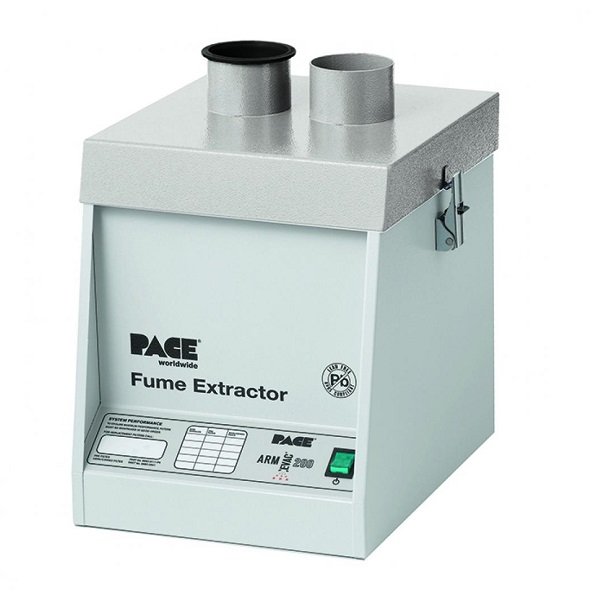
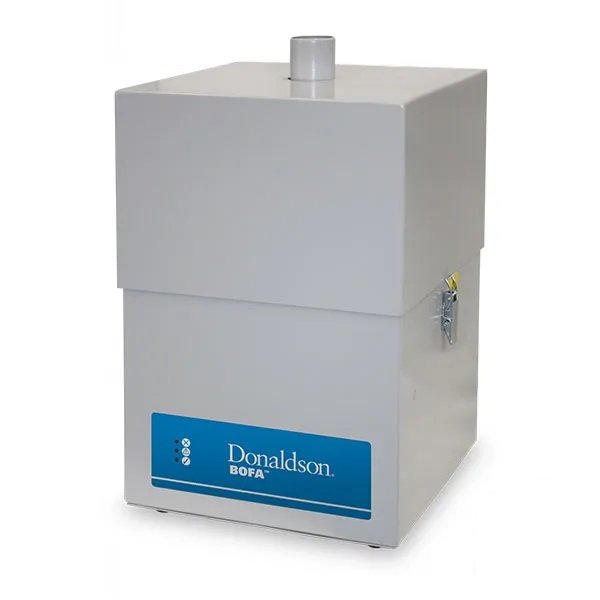
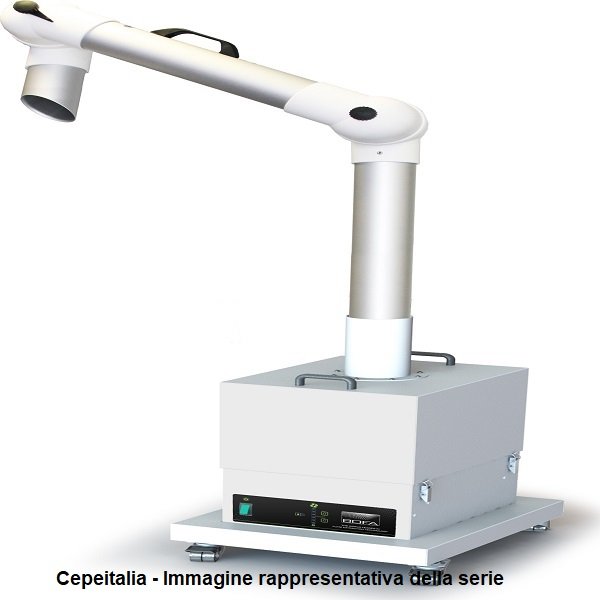
PACE ARM-EVAC 200 FUME EXTRACTION CENTRAL
PACE 8889-0200-P1 ARM-EVAC 200. FUME EXTRACTION CENTRAL FILTRATION UNIT. PACE, SALDATURA - ASPIRAZIONE FUMI, APPARECCHIATURE.
Codice produttoreARMEVAC200
Quantità a stock: 0
Prezzo non aggiornato
PACE
PACE 8889-0200-P1 ARM-EVAC 200. FUME EXTRACTION CENTRAL FILTRATION UNIT. PACE, SALDATURA - ASPIRAZIONE FUMI, APPARECCHIATURE.
Codice produttoreARMEVAC200
Quantità a stock: 0
Risorse
Non sono ancora presenti schede tecniche, scrivici per avere maggiori informazioni sul prodotto
The Arm-Evac 200 is designed to meet the needs of light-duty production as well as rework and repair operations.
Lightweight and compact, the Arm-Evac 200 installs in minutes.
A wide variety of collection accessory options and filters are available.
An optional silencer/mobile cart is also available.
PACE Fume Extraction Systems are designed for and intended to be used in PCB Assembly and Rework application, specifically for flux fume and other benchtop rework application. While PACE Fume Extraction Systems provide excellent, localized fume extraction of dust particles from acrylic and other materials during handheld drilling, milling or grinding operations as well as reduction of odors from the limited us of adhesives, solvents and other materials, currently available filters are not designed for extraction of high-moisture content aerosols nor designed to lessen or eliminate biohazards which may be present in medical/dental applications. Hence, consistent, proper use of appropriate PPE and other preventive/protective measures for COVID-19 and other pathogens, as recommended by the CDC and other governmental authorities, remains essential.
Features
QUOTAZIONE VALIDA ESCLUSIVAMENTE PER ORDINI ONLINE CON PAGAMENTO ANTICIPATO
Nota tecnica
Il filtro primario serve a trattenere le particelle di dimensioni maggiori in modo da preservare nel tempo il filtro HEPA che è strutturato per trattenere particelle fino al centesimo di micron.
La frequenza della sostituzione è in funzione dell’ambiente: tanto più la zona di lavoro è polverosa o il sistema capta particelle di grasso o olii (8-10 micron), quanto più spesso va sostituito.
Trattandosi di un filtro meccanico, è possibile capire all’inizio quanto sia pieno dalla perdita di efficienza del sistema (il filtro esausto funge da barriera). Normalmente in un ambiente tipo laboratorio in cui si saldi 8 ore al giorno con una lega contenente flussante di buona qualità si può sostituire il filtro ogni 15-20 giorni.
Il filtro combinato HEPA/carbone attivo serve per trattenere le particelle più piccole ed effettuare la degasificazione; (l’aria fuoriesce filtrata al 85%).
Normalmente, nelle condizioni sopra descritte e tenendo controllato il filtro primario, la sostituzione si effettua ogni 18-24 mesi.
Comunque, trattandosi di un filtro meccanico, non sussiste il pericolo che perda di efficienza mandando in ambiente particelle tossiche.
Alla peggio la barriera di contaminante ostruisce completamente il passaggio dell’aria e l’aspirazione viene meno... è arrivato il momento di sostituirlo.
Potrebbero interessarti
 B10264
BOFA
Quantità a stock: 0
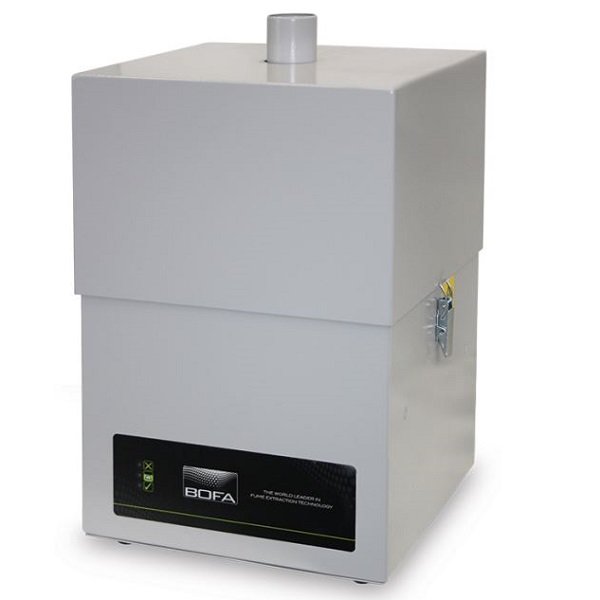
AD-ACCESS L1842A CENTRALINA DI ASPIRAZIONE FUMI LASER, COMPLETA DI FILTRO HEPA E PREFILTRO. DIMENSIONI: 512X320X310MM.TUBO FLESSIBILE NON INCLUSO
 A24076
ITECO
Quantità a stock: 0
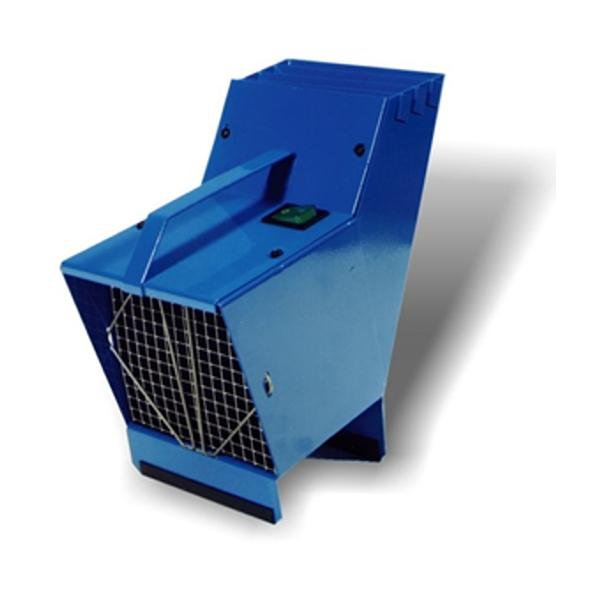
ITECO 7820001 GOSMOKE Aspiratore da tavolo 220V - 4 filtri carbone attivo ricambio
 B43047
BOFA
Quantità a stock: 0
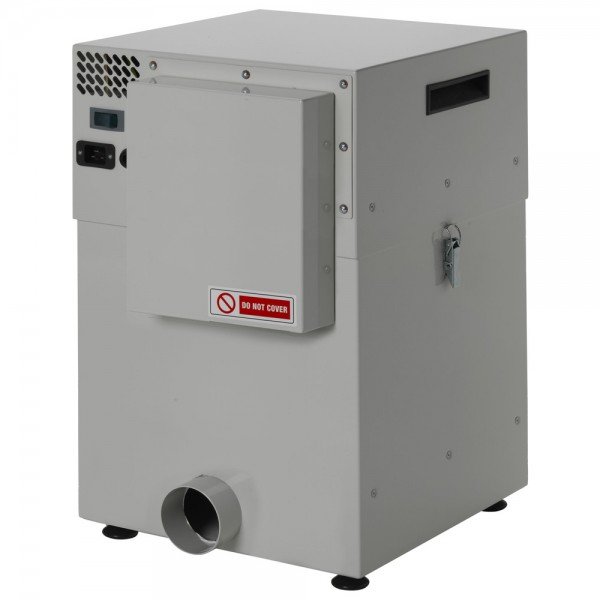
BOFA - ASPIRATORE FUMI LASER AD 350. BOFA, SALDATURA - ASPIRAZIONE FUMI, APPARECCHIATURE.
 B45254
BOFA
Quantità a stock: 0
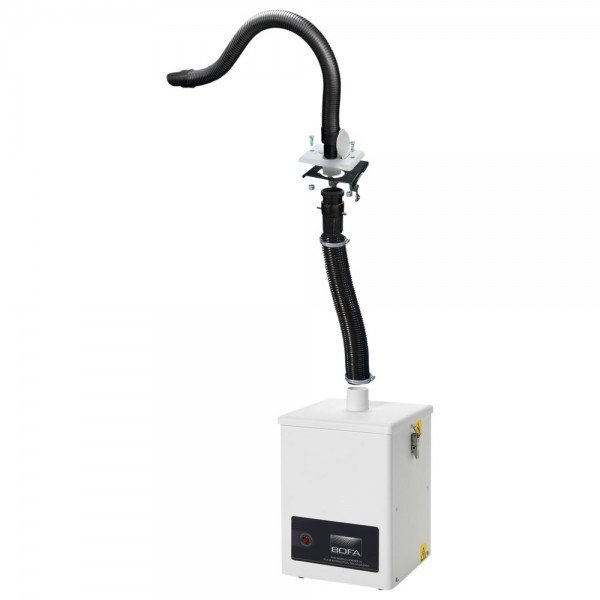
BOFA - ASPIRATORE FUMI LASER AD 350 CON LO START&STOP
 A28216
BOFA
Quantità a stock: 0
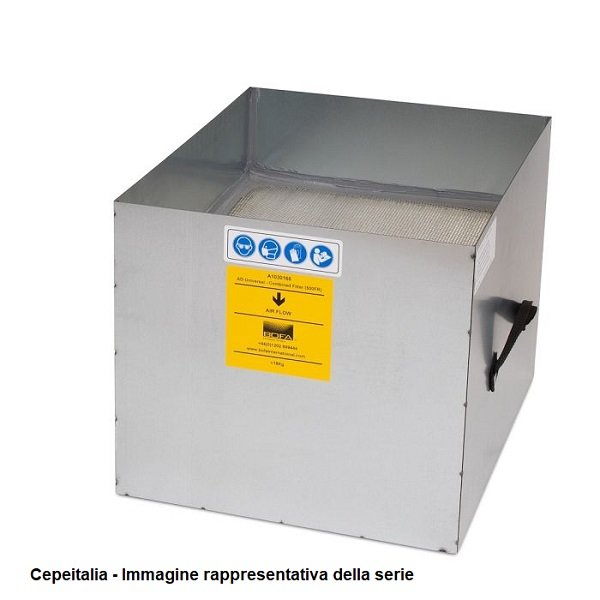
BOFA - ASPIRATORE FUMI V200. BOFA, SALDATURA - ASPIRAZIONE FUMI, APPARECCHIATURE.
 B44950
BOFA
Quantità a stock: 0
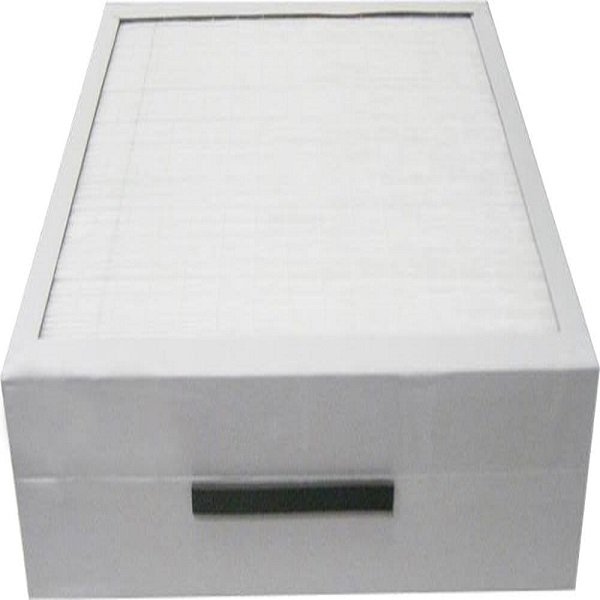
A REPLACEMENT HEPA/GAS FILTER FOR THE BOFA AD UNIVERSAL LASER FUME EXTRACTION UNIT.ALSO SUITABLE FOR BOFA FUMEKART MOBILE UNITS.
 B44949
BOFA
Quantità a stock: 0
A REPLACEMENT DEEPPLEAT PRE FILTER FOR THE BOFA AD UNIVERSAL LASER FUME EXTRACTOR UNIT OR THE BOFA AD ORACLE SA IQ EXTRACTOR UNIT.ALSO SUITABLE FOR BOFA FUMEKART MOBILE UNITS.
 B44948
BOFA
Quantità a stock: 0
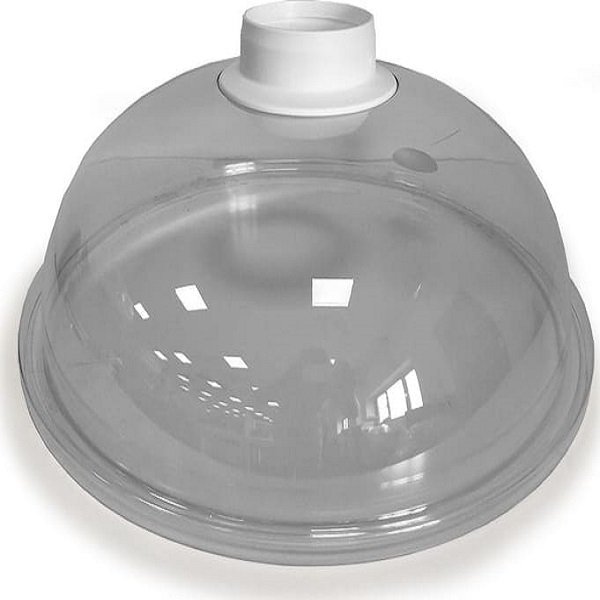
BOFA A1060152 COPPETTA CIRCOLARE PER FUMEKART (100MM ARM)SALDATURA - ASPIRAZIONE FUMI, APPARECCHIATURE.
 B45255
BOFA
Quantità a stock: 0
 B45218
BOFA
Quantità a stock: 0
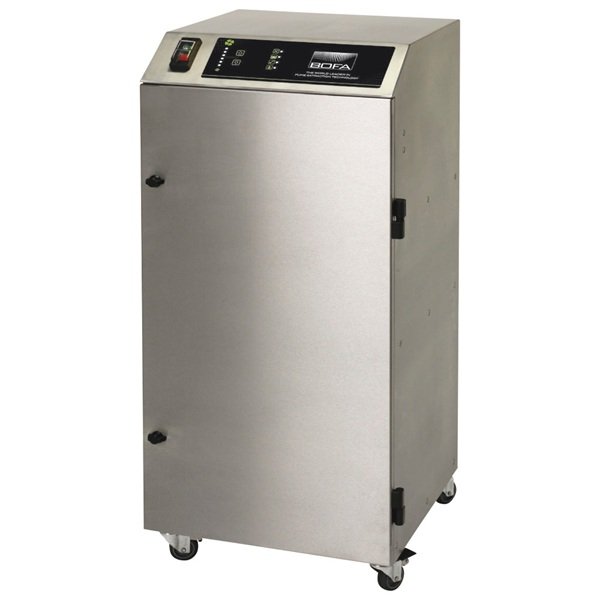
BOFA AD ORACLE IQ LASER FUME EXTRACTOR L1954A CENTRALINA ASPIRAFUMI PER PROCESSI INDUSTRIALI A TECNOLOGIA LASER. DIMENSIONI: 980 X 430X 430 MM
 B45282
BOFA
Quantità a stock: 0
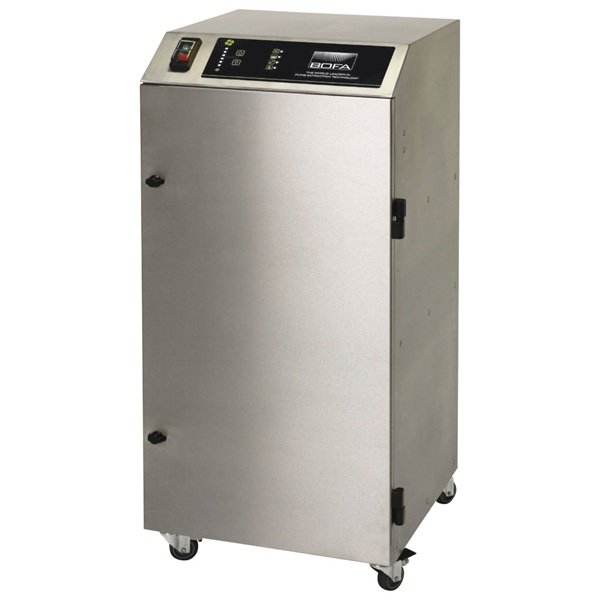
BOFA AD ORACLE IQ LASER FUME EXTRACTOR 115-230 V. STAINLESS STEEL, 115-230 V; 24 V S/S, SOK, O/R, AND VOCCENTRALINA ASPIRAFUMI PER PROCESSI INDUSTRIALI A TECNOLOGIA LASER. DIMENSIONI: 975 X 455 X 505 MM
 B43059
BOFA
Quantità a stock: 0
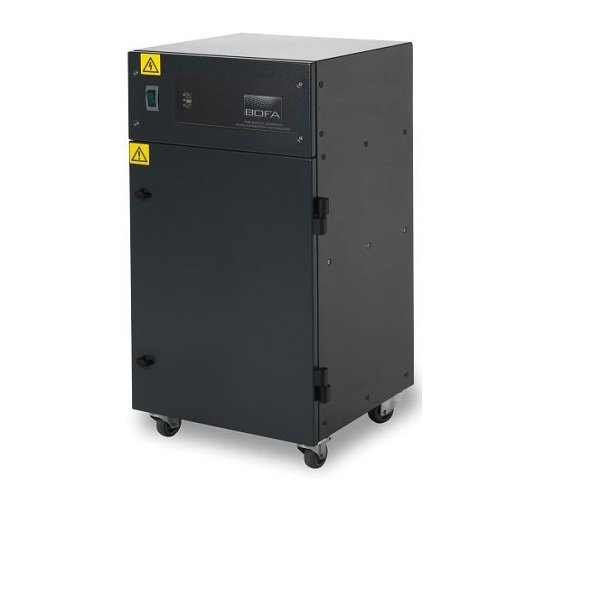
BOFA AD-NANO PLUS - SISTEMA DI FILTRAZIONE DA 170 MCH VOLTAGGIO 90/257V.COLORAZIONE: NEROBOFA, SALDATURA - ASPIRAZIONE FUMI, APPARECCHIATURE.
 A28213
BOFA
Quantità a stock: 0
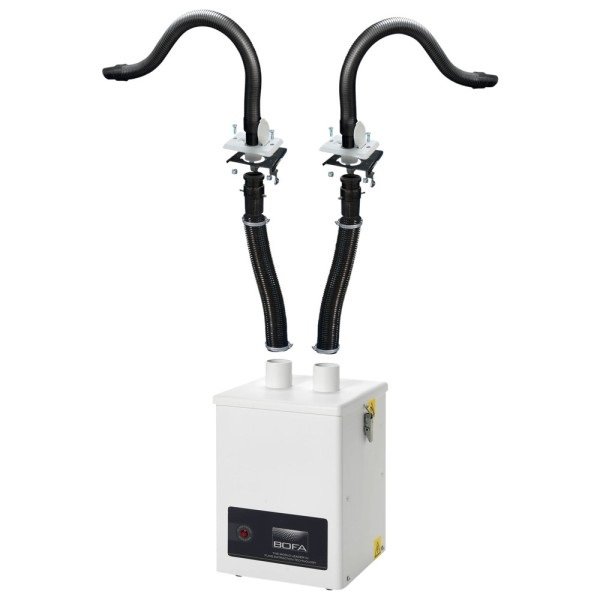
BOFA ASPIRATORE FUMI V250 CON KIT DI INSTALLAZIONE. BOFA, SALDATURA - ASPIRAZIONE FUMI, APPARECCHIATURE.
 B10344
BOFA
Quantità a stock: 0
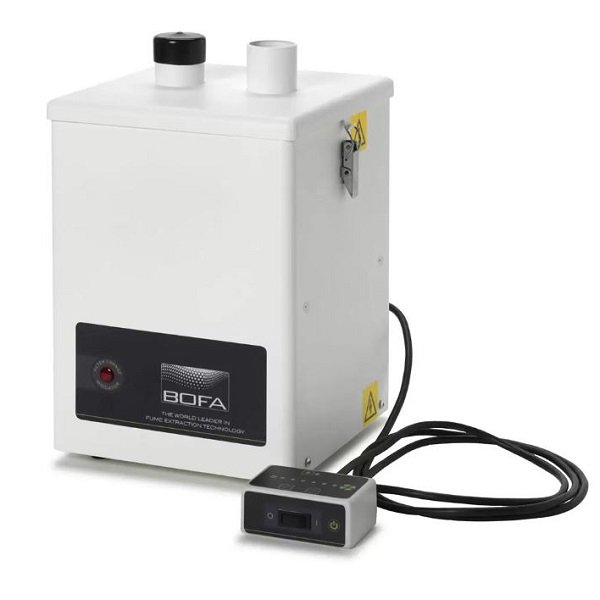
BOFA ASPIRATORE FUMI V250 CON REGOLATORE DI VELOCITÀ, PER DUE OPERATORI. CON 2 KIT DI INSTALLAZIONE. BOFA, SALDATURA - ASPIRAZIONE FUMI, APPARECCHIATURE.
 B44505
BOFA
Quantità a stock: 0
BOFA CUFF-REDUCER 50-75MM FOR AD ORACLE
 B44947
BOFA
Quantità a stock: 0
BOFA FUMEKART 115-230V, 100 MM ARMSALDATURA - ASPIRAZIONE FUMI, APPARECCHIATURE.
 B44506
BOFA
Quantità a stock: 0
BOFA HOSE KIT 3 METRES 50MM FLEX WITH CUFFS
 B44426
BOFA
Quantità a stock: 0
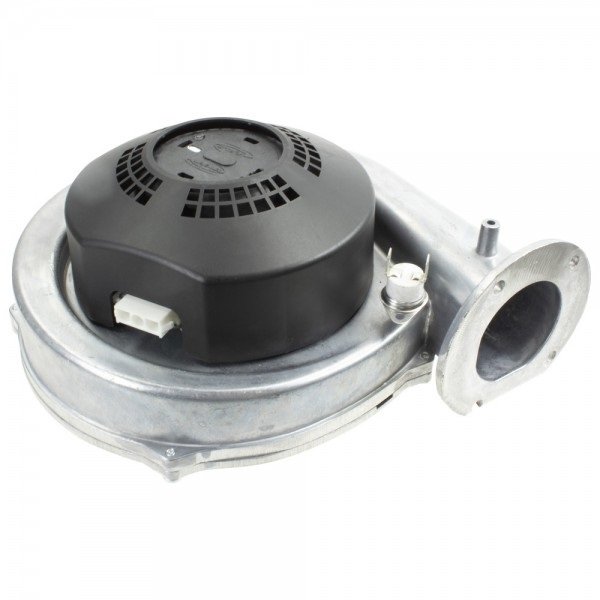
BOFA MOTORE DI RICAMBIO PER SYSTEM V250/DP250/AD250/ADNANO/ACCESS - A1050014 REPLACEMENT MOTOR. BOFA, SALDATURA - ASPIRAZIONE FUMI, APPARECCHIATURE.
 B43391
Quantità a stock: 0
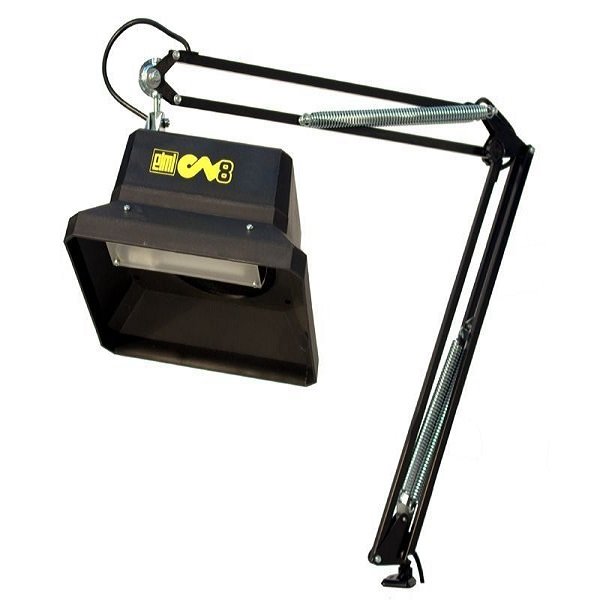
CA8 ASPIRAFUMI DA TAVOLO ESD A CARBONI ATTIVI 230 VAC 50HZ 52W
 B43962
ESKO
Quantità a stock: 0
ESKO PREL.FILTER MAT MKF EU51