B46016

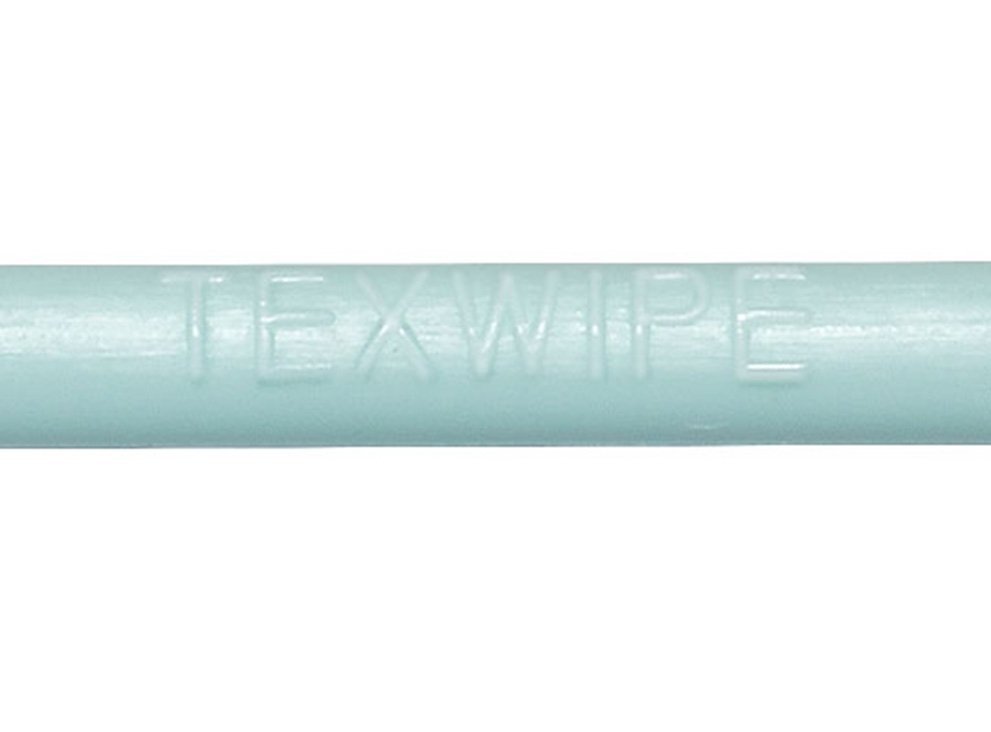
TEXWIPE

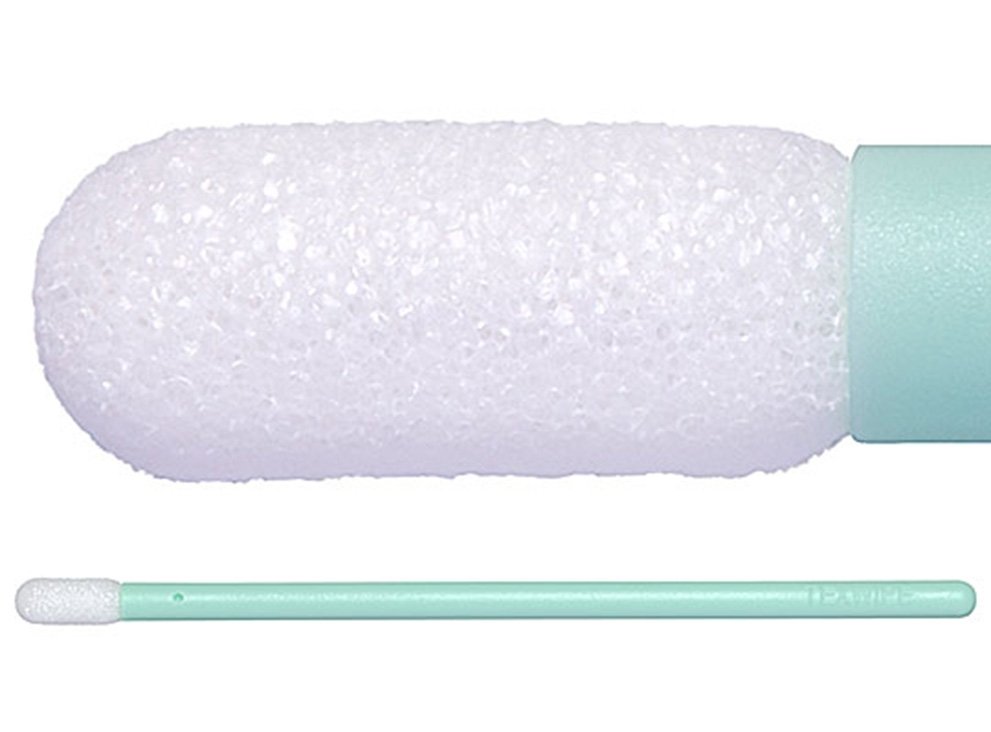
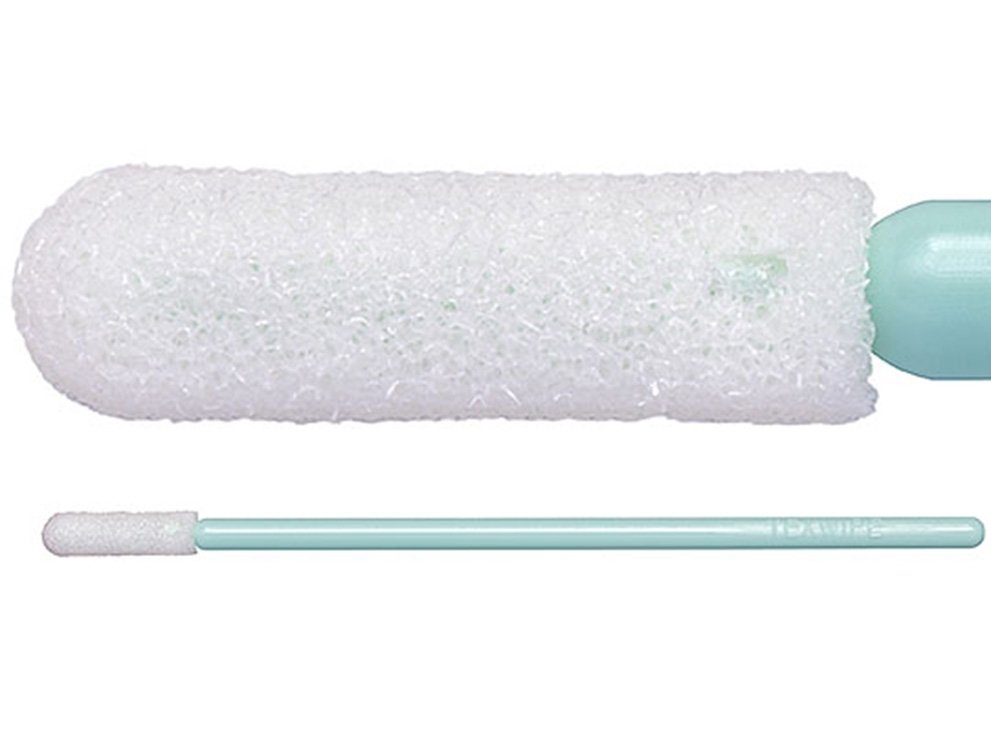
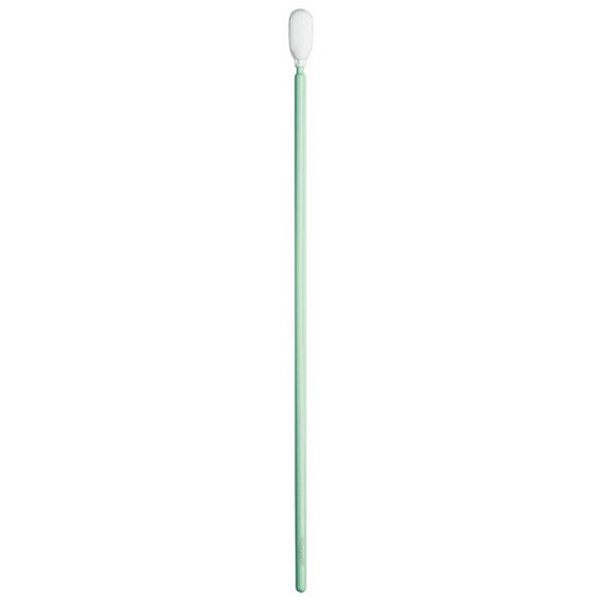
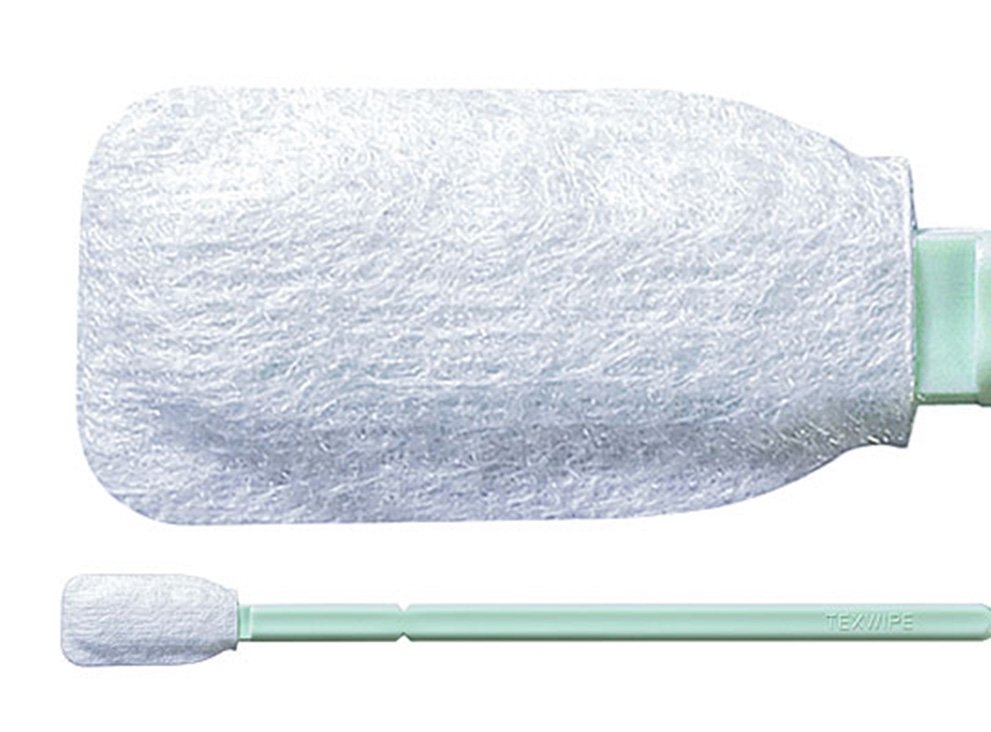
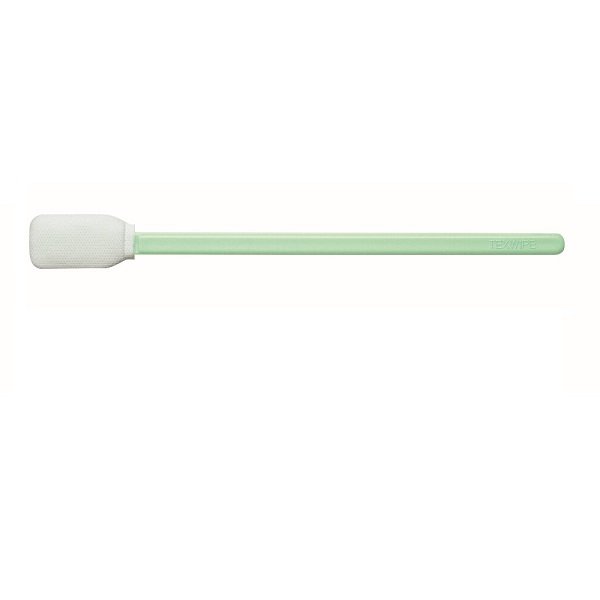
TEXWIPE TX716 Large Absorbond HPLC Sampl SWAB 20Pz

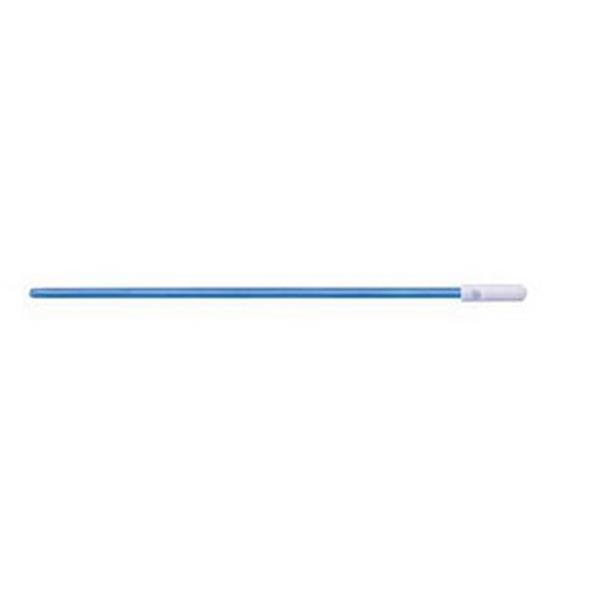
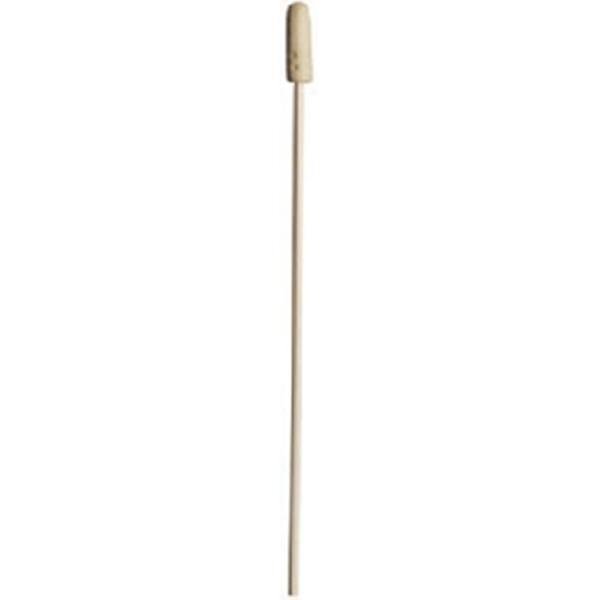
Texwipe TX716 Large Absorbond HPLC Sampling Polyester Cleanroom Swab Confezione: 20 swab

Codice produttoreTX716

Partenza dai nostri magazzini generalmente entro: 10 giorni lavorativi

Quantità a stock: 0

Prezzo non aggiornato
Risorse

Documenti del prodotto B46016

B46016

Approfondimento

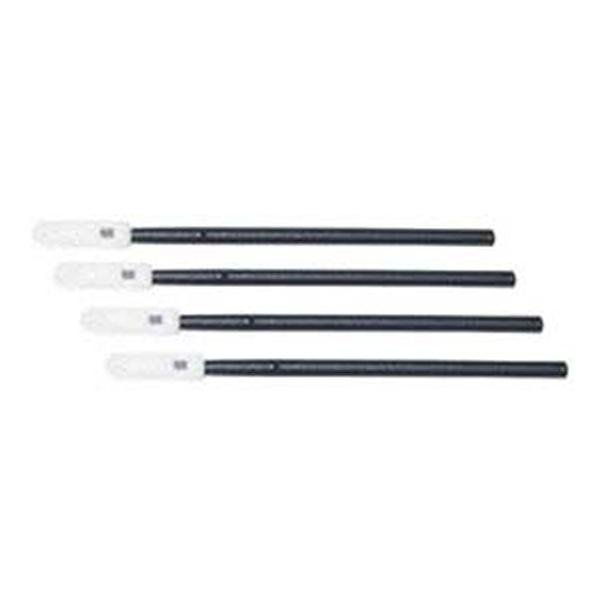
Texwipe’s cleaning validation cleanroom swabs are used to determine the effectiveness of cleaning protocols as specified by the US FDA. HPLC/ UV-Vis Total Organic Carbon (TOC) analysis are different methods used to validate these cleaning processes.

Texwipe offers the following cleaning validation swabs:

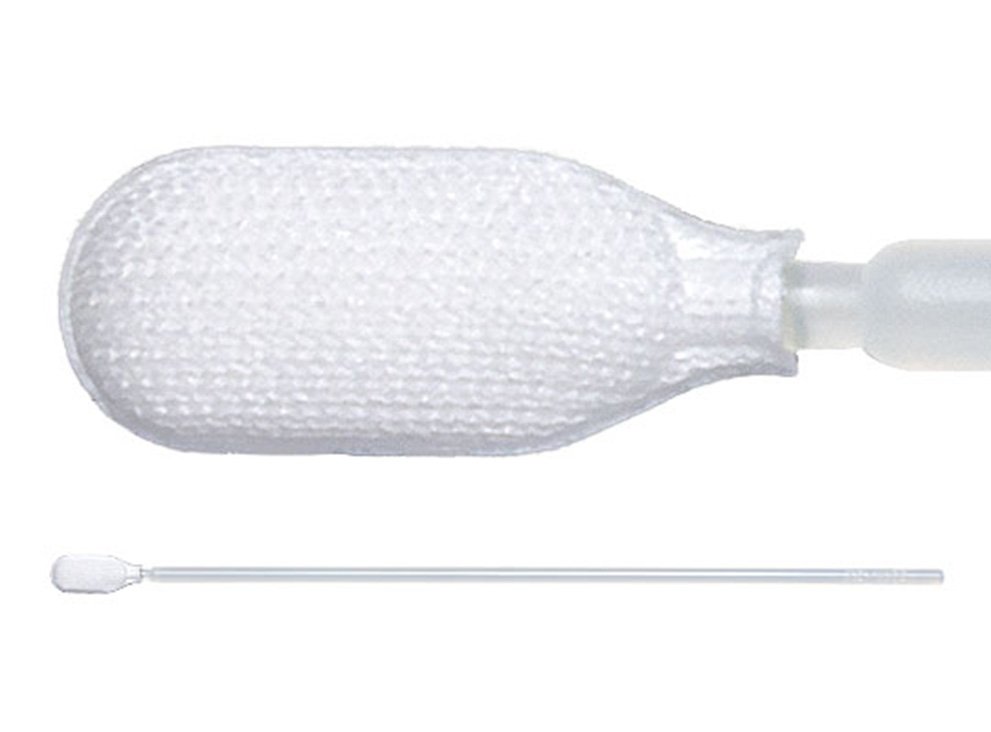
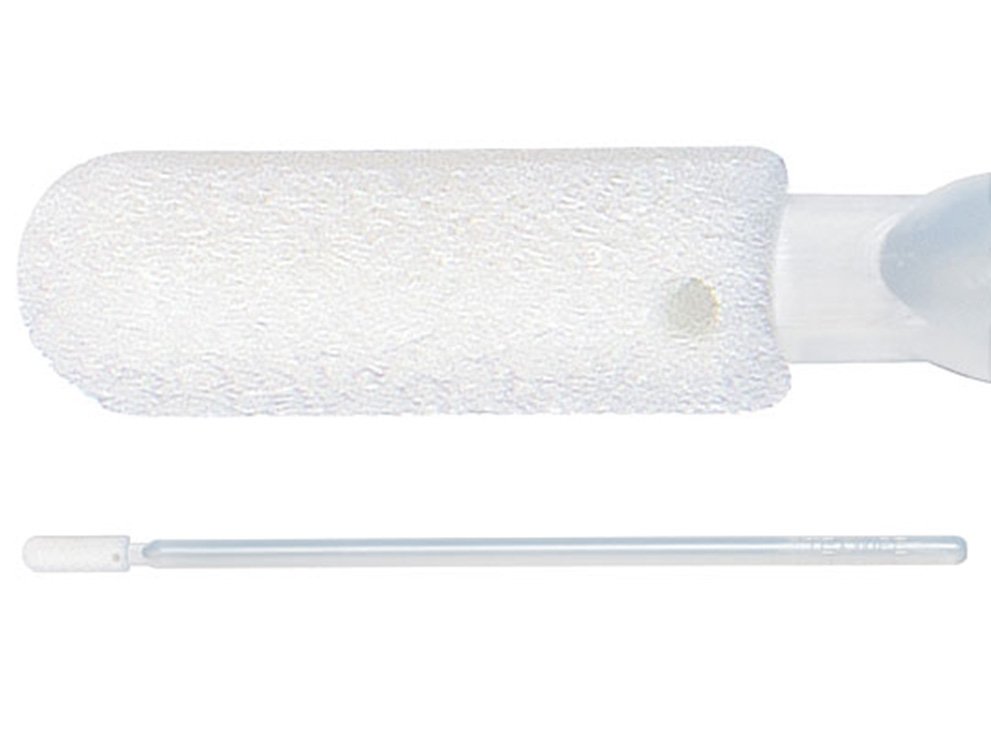
  • Absorbond® Polyester Non-Woven Large Swab - TX716 - suitable for HPLC analysis
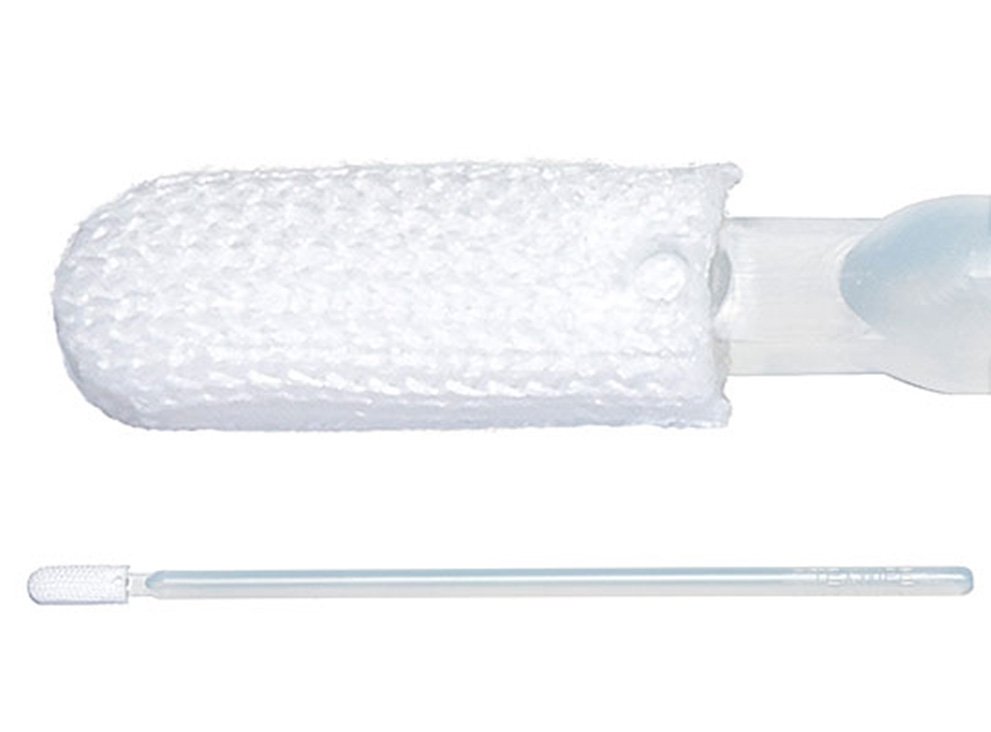
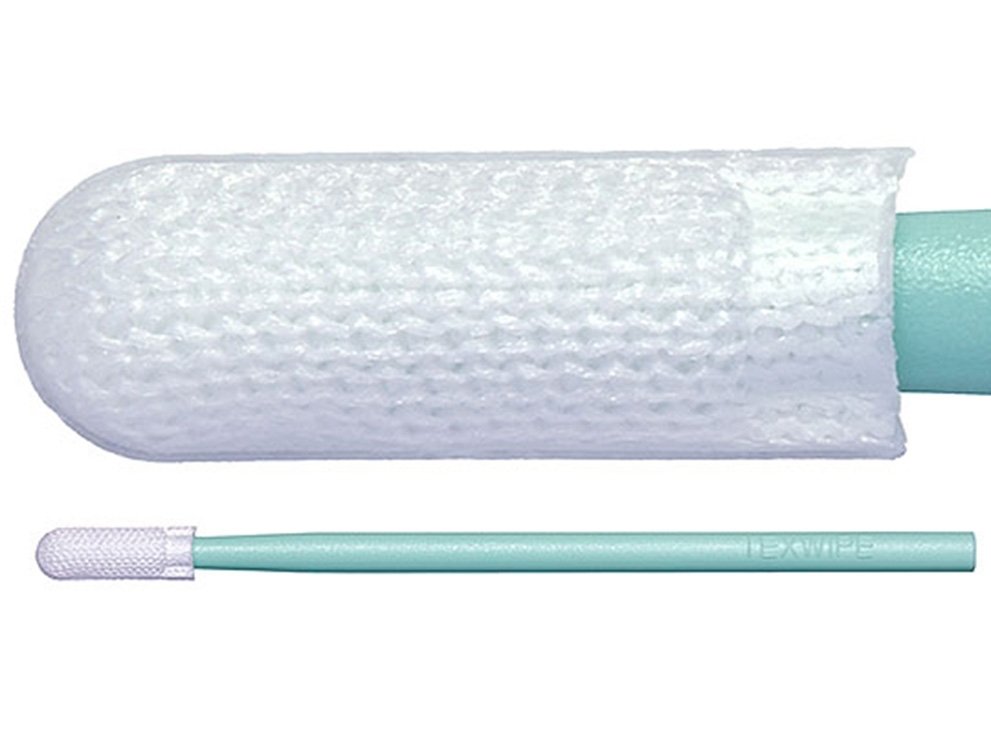
  • Alpha®Polyester Knit Series - TX714K, TX761K - suitable for use in TOC analysis  
  • Alpha®Polyester Knit Series - TX715 - suitable for HPLC analysis using a UV detector analytical method

Benefits

  • All Cleaning Validation swabs are precision-manufactured and constructed to exacting and consistent tolerances without the use of adhesives for superior performance
  • Notched, rigid 100% polypropylene, break-away handle allows the head to be placed into the vial with minimal handling and contamination and provides excellent chemical resistance
  • Lot coded for traceability and quality control
  • TX716: The nonwoven polyester head provides excellent recovery rates by entrapping contaminants in the swab structure without adhering to the swab head, allowing complete release into the diluent
  • TX714K, TX761K: Certified Low TOC level (<50 μg/L, <50 ppb) ensures consistency in swab background contribution
  • Double layered, double knit polyester head entraps contaminants in the knit structure during sampling, allowing maximum contaminant collection and release into the diluent to provide for excellent recovery rates
  • TX715: This swab is additionally processed to reduce the UV background. Proprietary cleaning process reduces interference in the 230 nm range, resulting in an improved limit of detection